

Joe Jonas is opening up about the professional setback that ultimately led him to seek therapy, telling his brothers on their podcast that the underwhelming commercial performance of his 2011 solo debut, Fastlife, triggered panic attacks and prompted him to begin mental health treatment.
Speaking to Kevin Jonas and Nick Jonas during the episode of the “Hey Jonas!” podcast, Joe explained that his first solo effort fell short of the success the Jonas Brothers had grown accustomed to as a group.
He said, “The reason I started doing therapy is because of the first taste of, like, not achieving ‘success.’ I released a solo album when I was about 21, 22, and it didn’t do as well as I thought it would do because everything the Jonas Brothers touched back then, it would be gold. We would just … be a No. 1 [hit].”
Joe told his brothers he had placed unusually high expectations on the solo project, believing that succeeding independently would validate his worth apart from the band.

“I put something out by myself, and I think I had a lot of high expectations of success without you guys. That was important to me somewhere in my core. I was like, ‘If I do that, then I matter,’” he said.
‘Fastlife’ struggles
Fastlife arrived in October 2011, selling around 18,000 copies in its opening week and debuting at No. 15 on the Billboard 200 before falling to No. 122 the following week. The lead single, “See No More,” peaked at only No. 92 on the Billboard Hot 100, a stark contrast to the Jonas Brothers’ run of chart-topping hits and sold-out arena tours during the height of the band’s popularity.
Earlier reports estimated the album had sold roughly 45,000 copies in the U.S., below the threshold for an RIAA certification.
Joe and his brothers used the episode to reflect on their collective success and the difficulties of growing up in a famous band.
Panic attacks and physical pain
Joe said the emotional toll of the album’s reception eventually affected him physically.
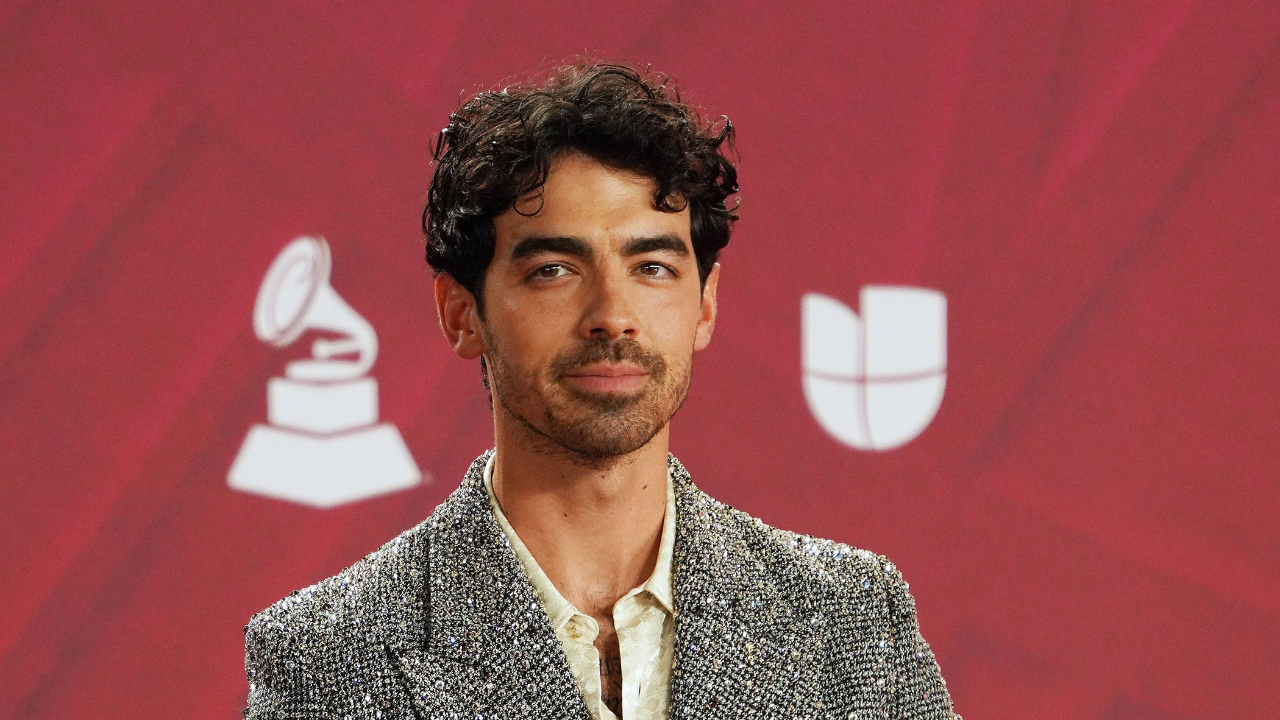
He told his brothers he began experiencing panic attacks and ongoing pain, which led him to see multiple doctors.
According to his account on the podcast, an endocrinologist eventually told him nothing was physically wrong and suggested he speak with a therapist. Joe initially resisted, questioning why he would need one.
Rather than pursue therapy right away, Joe said he coped by taking long bicycle rides through New York City and using the time away from his phone to avoid reading commentary about the album’s reception. He characterized the practice as a distraction rather than a genuine solution, telling his brothers he was still avoiding the underlying problem.
Deciding to go to therapy
Joe eventually agreed to see a therapist, describing his first session as an emotional turning point.

Joe said he “finally spoke to somebody” and, after crying through the first question for an hour, realized how valuable the process was. He added that therapy had remained helpful through other major periods of his life since then.
Nick Jonas weighs in
Nick said his own struggles were less about comparing himself with others and more about placing too much importance on achievement. He said therapy helped him learn to be comfortable with himself rather than measure his worth through accomplishments.
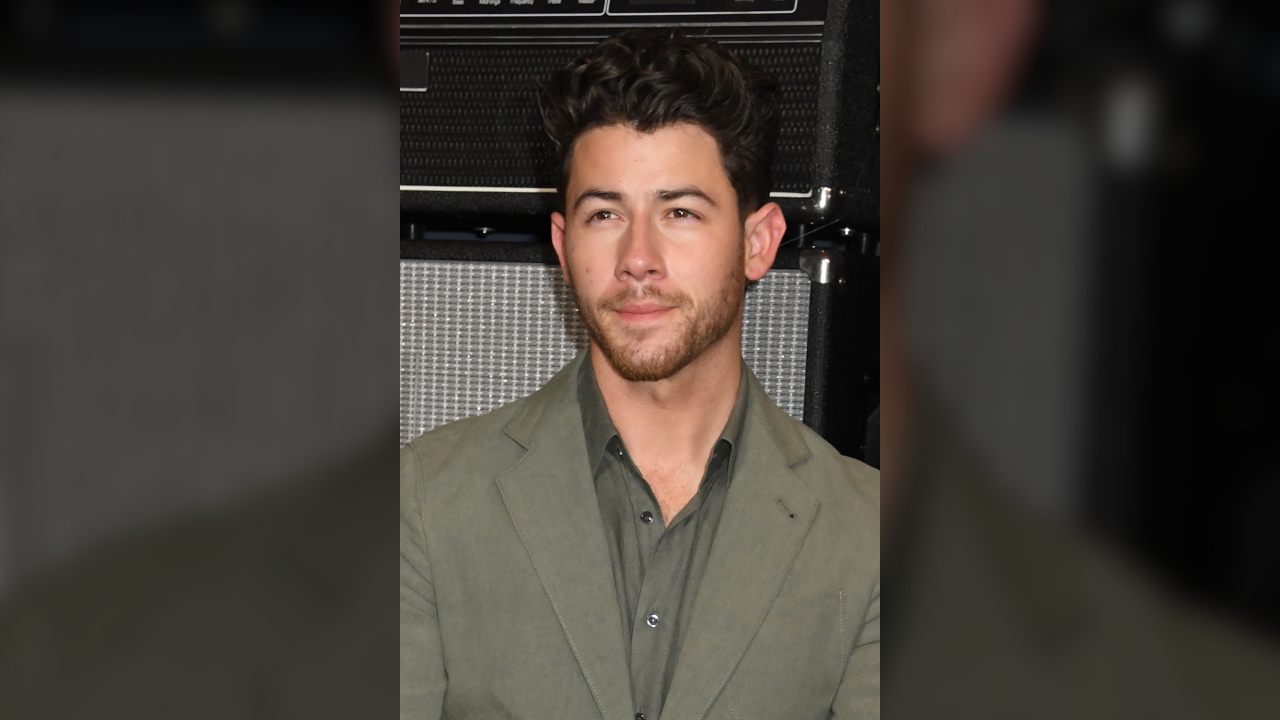
Nick said he needed to be okay with himself and be able to look in the mirror and feel at peace as a person, rather than measuring himself against others.
Both brothers described therapy as an important tool for coping with the pressures of fame and encouraged listeners to stay consistent with their own mental health care.
A recurring theme in Joe Jonas’s public comments
The “Hey Jonas!” episode is not the first time Joe has connected Fastlife reception to his mental health.
Speaking with Jay Shetty on the “On Purpose” podcast in 2022, Joe said he took the album’s reception hard and did not fully realize how it was affecting him at the time.
Joe recalled seeing a headline that used the word “failure” and said he internalized that word as his own identity tied to the album.
Joe also discussed therapy publicly around the release of his second solo album Music for People Who Believe in Love in May 2025. Appearing on TalkShopLive on May 21, 2025, ahead of the album’s release, he said he had come to see a therapist through Zoom sessions and described working through what he called the “darkest” period of his life.
Jonas said therapy was something he eventually realized he needed for years, despite initially questioning why he would need to speak to a professional when he could talk to friends or work things out at the gym. That second album, like Fastlife, saw moderate rather than blockbuster chart performance upon release.
Across those three conversations, Joe has repeatedly connected the commercial disappointment of his solo debut with the mental and physical toll he experienced afterward.
